
Compare insured LCL plus express routes from China to the USA and Canada, with DDP clearance, practical transit windows, and door delivery.
For importers moving modest cargo volumes from China, the lowest freight rate is not always the most useful number. A practical shipping plan should also define pickup, consolidation, export handling, destination clearance, final delivery, insurance, and any services excluded from the quotation. This is where multimodal LCL plus express shipping can make landed-cost planning easier.
Match the route to the shipment
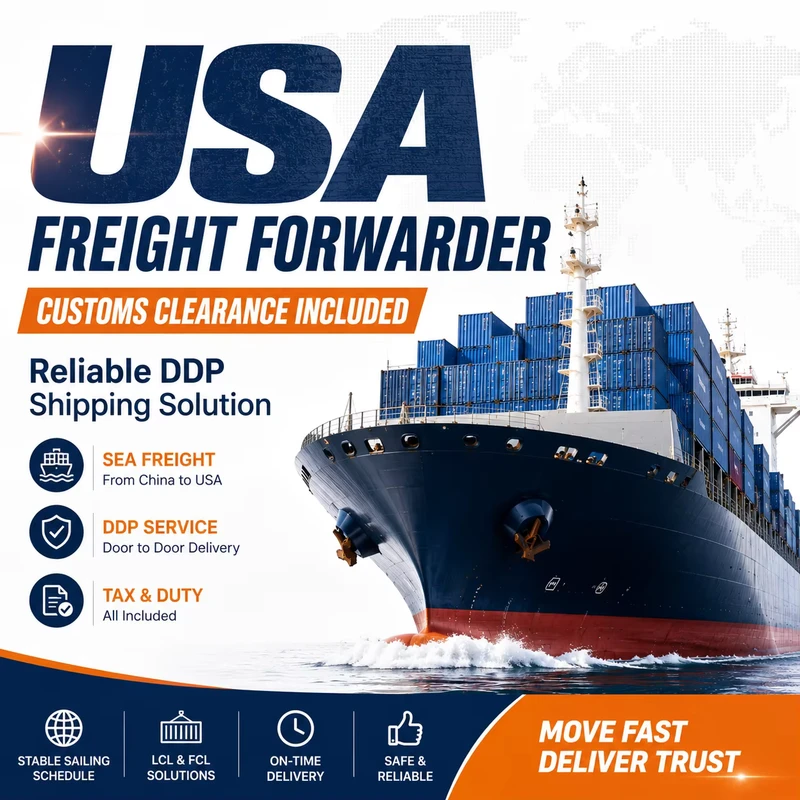
The USA consolidation service combines LCL sea freight with door delivery under a DDP arrangement. It is designed for general, non-dangerous goods and includes an indicated transit window of 25–45 days, local pickup in China, destination customs clearance by the seller, and insurance availability.
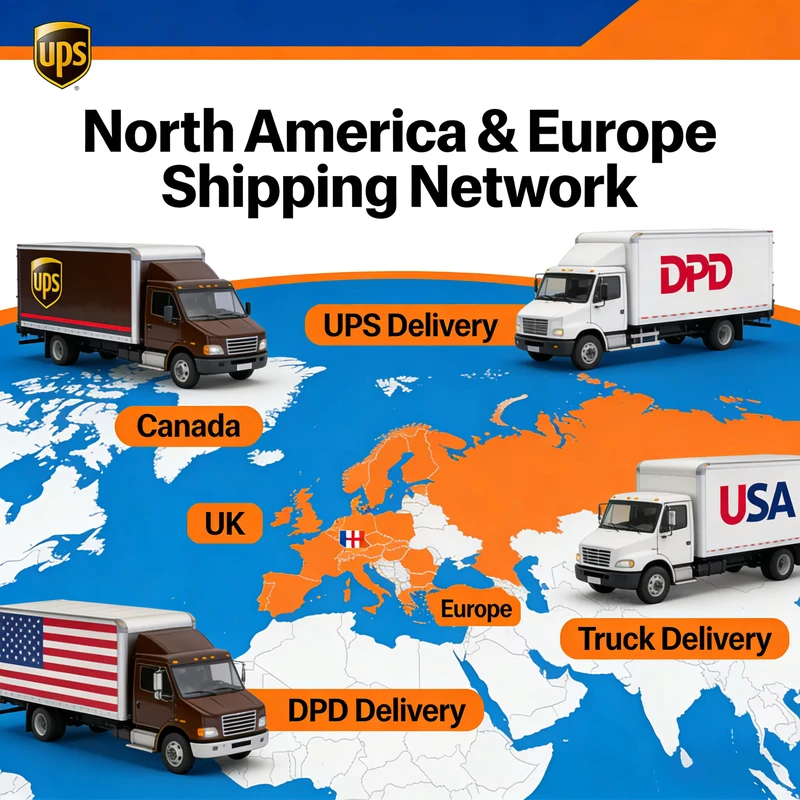
For Canadian buyers shipping approximately 1–5 CBM, the Canada small-cargo route offers a similar LCL plus express structure with a stated 30–45 day transit range. Door-to-door coordination can reduce the number of separate providers an importer needs to manage, while origin and destination storage options support more flexible receiving schedules.
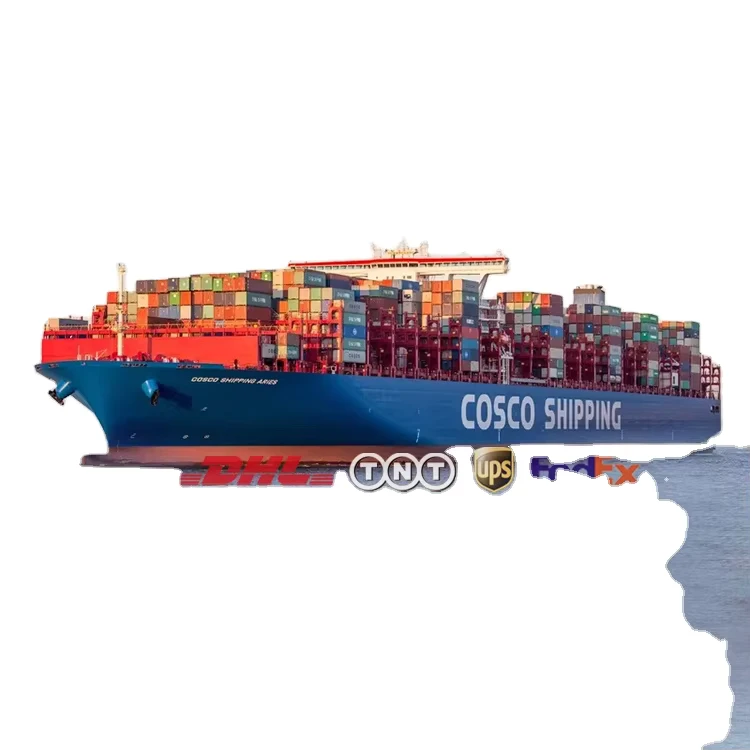
Build a quotation that can be compared
Importers seeking a more focused US option can review the US LCL express service, which lists an estimated 30–35 day transit period and insurance support. Actual schedules may vary with consolidation timing, customs processing, port conditions, and final-mile location, so transit ranges should be evaluated alongside the complete service scope.
To receive an accurate proposal, provide cargo dimensions, gross weight, commodity description, pickup city, destination postal code, packaging details, and preferred shipping date. It is also important to confirm duties, taxes, delivery access, storage limits, and insurance coverage in writing. Explore the broader LCL express options, then send your shipment details for a route-specific quotation and service plan.